20 Oct 2026
How Seasonal Festivals Reveal Layers of Bayash Identity Formation
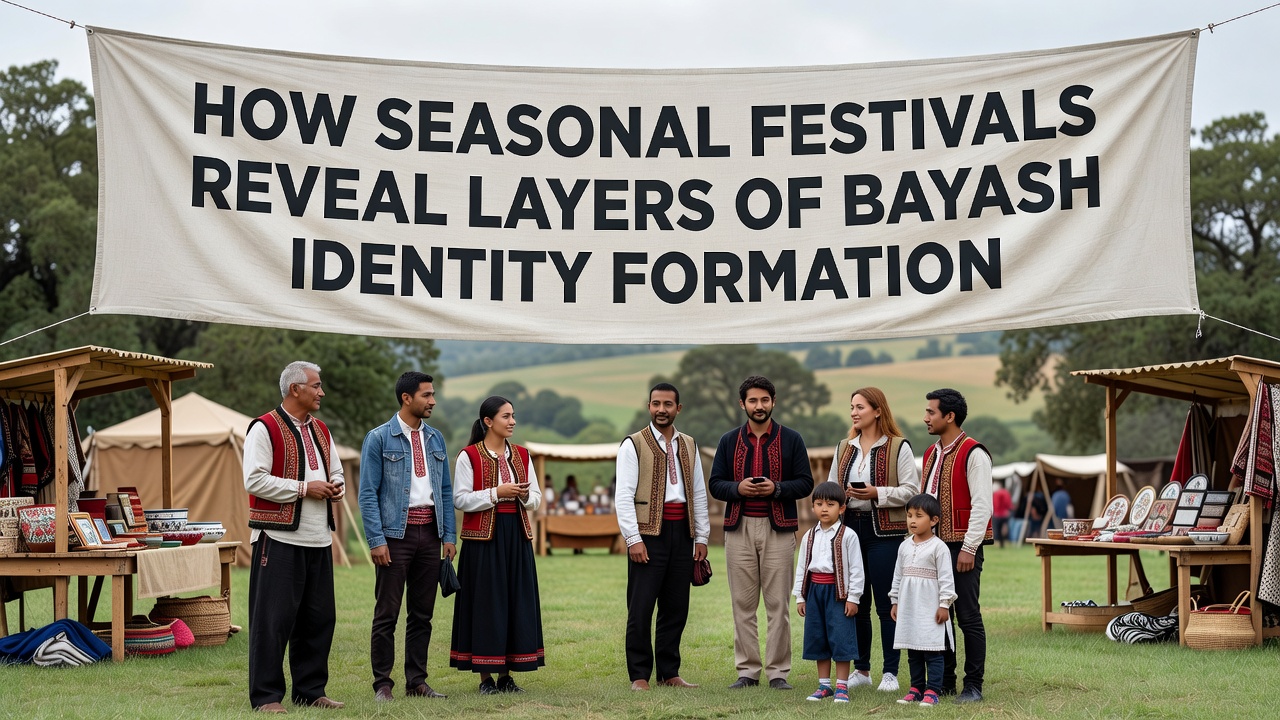
Seasonal festivals among Bayash communities serve as structured occasions where multiple dimensions of identity take visible form, and researchers have documented how these events integrate linguistic practices, ritual sequences, and social networks that distinguish Bayash groups from neighboring populations. Data collected across settlements in Romania, Serbia, and Hungary show that participants consistently combine Romanian-derived vocabulary with specific ceremonial objects and performance styles, creating observable markers that studies associate with historical migration patterns and regional adaptation.
Core Elements in Festival Organization
Bayash organizers schedule events around agricultural cycles and Christian calendar dates, yet they embed additional layers of preparation that include the selection of particular songs in the Bayash dialect and the preparation of foods tied to older pastoral traditions. Ethnographic records indicate that these choices occur before public phases begin, allowing families to rehearse narratives of ancestry that later surface during collective meals or dances. Observers note that the sequence of activities often starts with private household rites and moves to shared spaces, a pattern repeated in multiple field reports from the past two decades.
Language and Performance as Identity Signals
During spring and autumn gatherings, participants use specific terms for ritual items and greeting formulas that differ from standard Romanian usage, and linguistic surveys have recorded these expressions in context rather than in isolation. Researchers from institutions in the Balkans have mapped how such vocabulary appears alongside instrumental music that blends local brass traditions with older string techniques preserved within Bayash ensembles. The combination produces audible and visible distinctions that attendees recognize immediately, reinforcing group boundaries without requiring explicit statements.
Regional Variations and Shared Patterns
Communities in western Romania emphasize certain harvest-related observances that incorporate wheat-sheaf displays and bread-sharing rituals, whereas groups in northern Serbia integrate elements drawn from Orthodox saint commemorations with distinct naming practices for festival roles. Despite these differences, comparative studies reveal recurring structural features: a central communal space, designated storytellers, and a progression from daytime processions to evening music sessions. Figures compiled by cultural documentation projects show that attendance rates remain stable across age cohorts, suggesting transmission continues through direct participation rather than formal instruction alone.
One documented case from 2024 field notes describes an October festival cycle in a multi-generational settlement where elders directed younger members in the correct sequence of songs, while younger participants introduced minor instrumental variations that still preserved recognizable melodic cores. Such incremental adjustments illustrate how identity layers accommodate contemporary influences while retaining core markers identified in earlier research.
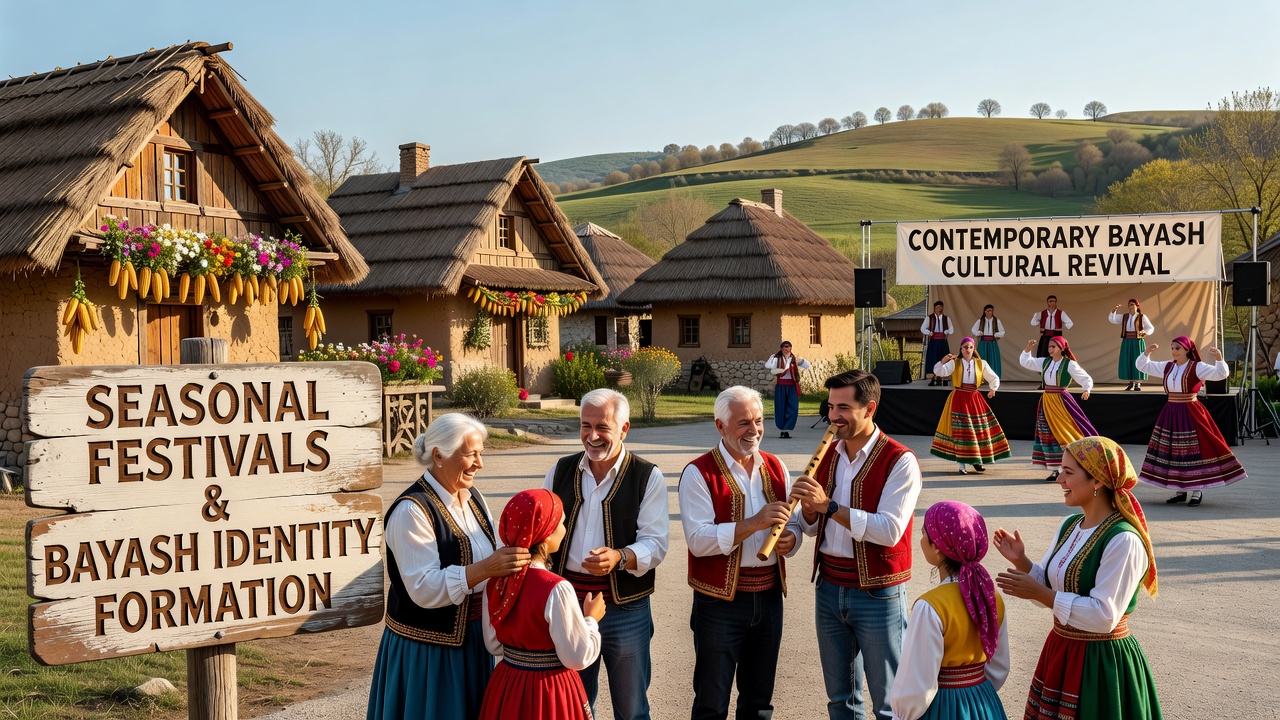
Contemporary Documentation and October 2026 Events
Academic teams planning fieldwork for October 2026 have announced coordinated observation of multiple Bayash sites during the period surrounding traditional autumn gatherings, aiming to update datasets on participation demographics and linguistic retention. Preliminary schedules indicate that researchers will record both public performances and preparatory meetings, following protocols established by earlier projects at universities in Eastern Europe. These efforts build on existing archives that already contain audio and video materials from comparable dates in previous years.
Reports from cultural centers in the region note that festival committees coordinate logistics with local authorities to secure public spaces, and they maintain records of invited performers that reflect both continuity and new inclusions. Data from these administrative processes provide additional evidence of how Bayash groups manage visibility while preserving internal decision-making structures.
Transmission Across Generations
Longitudinal observations indicate that children acquire festival-related knowledge through repeated observation rather than isolated lessons, and participation metrics show steady involvement from early adolescence onward. Studies conducted by teams affiliated wth regional academies have tracked cohorts over ten-year intervals and found that individuals who attended regularly during childhood continue to occupy central organizational roles in later decades. This pattern holds across settlements separated by national borders, pointing to shared mechanisms of cultural continuity.
Conclusion
Seasonal festivals therefore function as repeated sites where Bayash identity layers become accessible for examination through documented practices in language, ritual timing, and social organization. Ongoing research scheduled for October 2026 and subsequent periods continues to supply comparable data that allow analysts to trace persistence and adaptation without relying on single-event snapshots. The accumulated records demonstrate consistent structural elements that distinguish these events while accommodating local conditions across the broader geographic range of Bayash settlement.